
Why I Built My Senior Placement
& Advocacy Business Differently
christine eckstein May 13,2026
When families begin the search for a senior living or care community, the process often starts the same way: a few online searches, a couple of phone calls, and then a tour.
On the surface, many communities can look very similar. Clean buildings, friendly staff at the front desk, organized activity calendars, and nicely staged common areas. It can feel reassuring.
But here’s the part most people don’t realize right away:
Two communities can appear nearly identical during a tour—and still provide very different day-to-day experiences for the people who live there.
Understanding those differences can make all the difference in choosing the right place, not just the available one.
What Families Naturally Focus On First
When touring, it’s completely normal to pay attention to things like:
- How the building looks and feels
- How friendly the staff seem
- Room availability and layout
- Pricing and what’s included
- The overall “first impression”
These are all important. But they only tell part of the story.
A tour is a snapshot—often a very well-prepared one.
The true quality of a community shows up in the everyday moments most tours don’t fully capture.
What Actually Separates Lower vs Higher Quality Care
The real differences tend to come down to how care is delivered consistently over time, not just how it’s presented in a single visit.
Here are a few key areas that matter most:
1. Staffing Consistency
In higher-quality communities, staff tend to stay longer. They know the residents, their routines, their preferences, and even subtle changes in behavior.
In lower-quality environments, high turnover can lead to more gaps in care, slower response times, and a more transactional feel.
2. Resident Engagement
Most communities have activity calendars—but the question is: are residents actually participating?
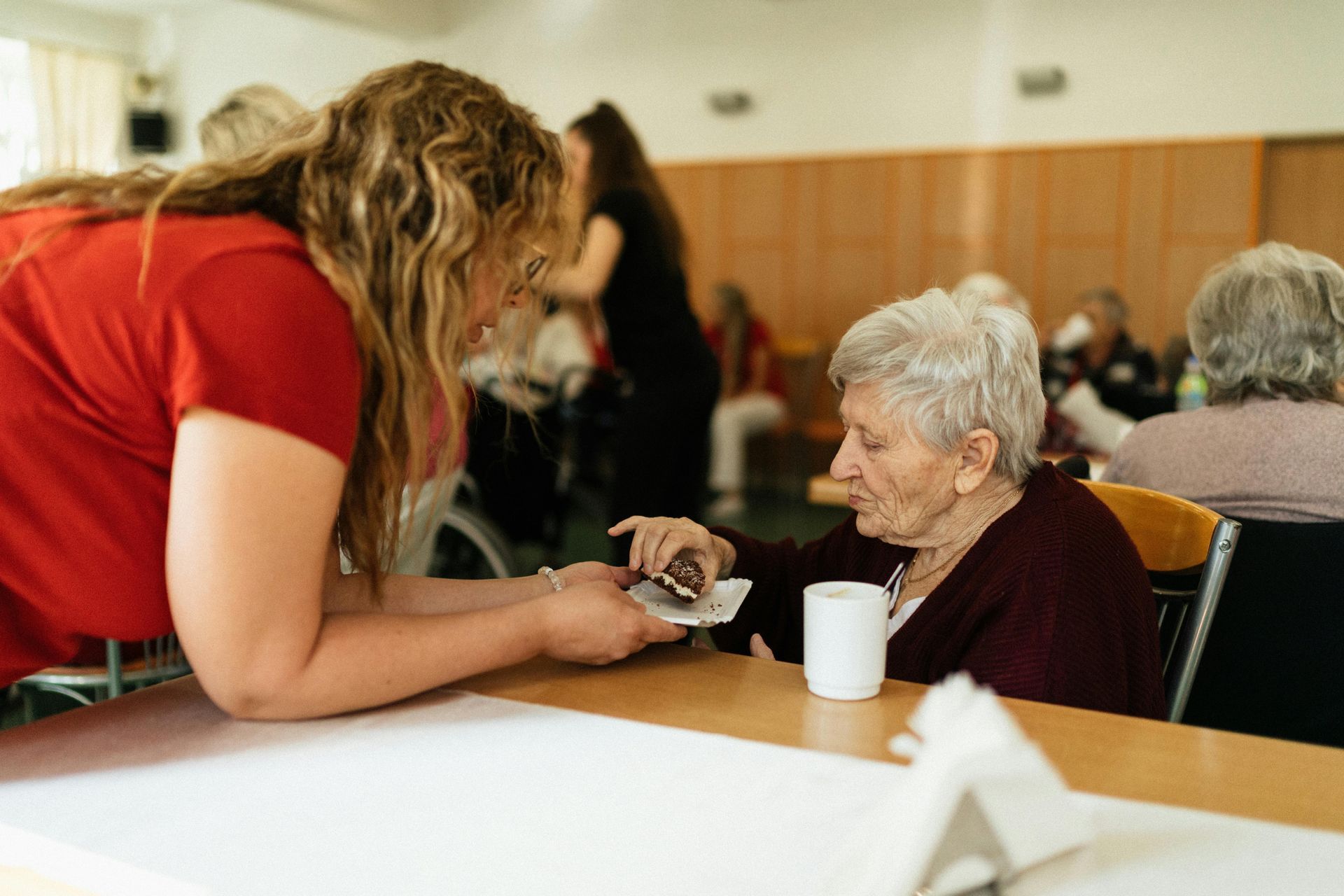
In stronger communities, you’ll see residents actively engaged, interacting, and involved. In others, activities may exist “on paper,” but the majority of residents remain disengaged or idle.
It’s easy for a community to say they provide attentive care.
The difference shows in how quickly and consistently staff respond when someone needs help—whether it’s assistance with mobility, medication, or something as simple as answering a call button.
4. Communication with Families
Higher-quality communities tend to communicate proactively. Families are kept informed, updates are shared, and questions are welcomed.
In lower-quality settings, communication may only happen when there’s a problem—and even then, it can feel reactive rather than supportive.
5. Overall Culture
This is harder to define, but easy to feel.
Some communities operate with a task-focused mindset. Others create a more personal, relationship-driven environment where residents are known and valued as individuals.
That cultural difference has a direct impact on quality of life.
Subtle Signs to Watch For
During a tour, there are often small details that can reveal a lot:
Potential Red Flags:
- Residents sitting idle for long periods without interaction
- Staff who seem rushed or unfamiliar with residents
- Vague answers when asking about daily routines or care processes
Positive Indicators:
- Staff greeting residents by name and engaging naturally
- Residents who appear comfortable, active, and socially connected
- Clear, confident answers about how care is delivered day-to-day
Why This Can Be Hard to Evaluate Alone
Even with the best intentions, it’s difficult to fully assess a community in a short visit.
Tours are limited. Marketing materials are curated. And many of the most important factors only become visible over time.
That’s why so many families feel confident in a decision at first—only to have questions or concerns later.
Final Thoughts
Choosing a care community is one of the most important decisions a family can make. And while no place is perfect, there are meaningful differences in quality that go beyond appearance, price, or availability.
The goal isn’t to find a perfect facility—it’s to find the right fit, with the right level of care, in the right environment.
And most importantly, to make that decision with clarity and confidence.
If you ever feel unsure about what you’re seeing—or what questions to ask—you don’t have to navigate it alone. The right guidance can help you see beyond the tour and truly understand what each option offers.
You don’t have to do this alone.
Having someone in your corner—who understands both the system and your loved one’s needs—can make all the difference.