Why I Built My Senior Placement
& Advocacy Business Differently
christine eckstein May 13,2026
Receiving a diagnosis can feel overwhelming.
Most people leave that first appointment with more questions than answers.
Step 1: Take a Breath
You don’t need to figure everything out immediately.
Step 2: Understand the Diagnosis
Ask:
- What does this mean?
- What are the options?
Step 3: Get Organized
Track:
- Appointments
- Medications
- Questions
Step 4: Build the Right Support System
This is where many people struggle.
Step 5: Consider Professional Guidance
Having someone guide you through the process can reduce stress and improve outcomes.
👉 Schedule a consultation to get clarity and a plan forward.
You don’t have to do this alone.
Having someone in your corner—who understands both the system and your loved one’s needs—can make all the difference.

One of the questions I’ve been thinking about lately is: “What truly makes this business different?” Not just different on paper — but different in the way families experience support during some of the most emotional and overwhelming transitions of their lives. The answer is that this business was never built from only one perspective. It was built from several. Before starting this company, I earned my degree in business and management and later became a registered nurse with bedside experience. Over time, I realized something important: families navigating senior care transitions are often trying to survive a system that feels confusing, rushed, emotional, and fragmented. At the same time, I also understood the pressures happening behind the scenes. I understand the reality hospital case managers and discharge planners face every day. I understand the urgency hospitals are under to coordinate safe discharges quickly and efficiently. I understand the operational side facilities are balancing while trying to ensure appropriate placements and quality care. Because I’ve experienced the healthcare system from multiple angles, I approach this work very differently than the average placement service. I don’t see this as simply “finding a facility.” I see it as coordinating an incredibly important life transition in a way that protects the dignity, safety, emotional wellbeing, and long-term success of both the client and their family. That’s why I intentionally built this business around quality over quantity. I work closely with: Families and clients Hospital referral partners Senior living and care facilities My goal is to create smoother transitions for everyone involved while making families feel informed, supported, and less alone throughout the process. I also believe strongly in personalization. Because this is currently a small business led entirely by me, families are not passed between departments or treated like numbers in a system. I remain deeply involved in every case. I’m able to adapt quickly, communicate directly, and stay flexible in a field where needs can change rapidly and unexpectedly. One thing I’ve learned while building this business is that healthcare transitions rarely happen on a perfect schedule. Families need support at all hours. Hospitals move quickly. Emergencies happen unexpectedly. Emotions run high. Decisions often need to happen fast. Oddly enough, one of my favorite parts of entrepreneurship has been the ability to build a business model that reflects the reality of this work instead of forcing it into a rigid box. This business has evolved many times already — and I’m proud of that. I’ve adjusted services, shifted focus areas, expanded ideas, refined systems, and continued listening to what families and healthcare partners actually need most. That flexibility has allowed me to build something that feels purposeful, sustainable, and genuinely aligned with the kind of support I want to provide. In addition to placement services, I also offer consults and guided senior living tours designed to help families gain clarity and confidence during the decision-making process. I’ve also quietly begun offering advocacy support visits for select families who need continued guidance after placement — something I believe is deeply needed in this space. What excites me most is that this is only the beginning. I’m continuing to build strong relationships with hospital referral sources throughout Central Florida, including reconnecting with the very hospital system that helped shape me as a nurse. That full-circle experience has been incredibly meaningful and motivating as I continue growing this company. This business was built from determination, resilience, adaptability, healthcare experience, and a genuine passion for helping families navigate difficult moments with more clarity and support. And I’m incredibly excited for what’s ahead.

When families begin the search for a senior living or care community, the process often starts the same way: a few online searches, a couple of phone calls, and then a tour. On the surface, many communities can look very similar. Clean buildings, friendly staff at the front desk, organized activity calendars, and nicely staged common areas. It can feel reassuring. But here’s the part most people don’t realize right away: Two communities can appear nearly identical during a tour—and still provide very different day-to-day experiences for the people who live there. Understanding those differences can make all the difference in choosing the right place, not just the available one. What Families Naturally Focus On First When touring, it’s completely normal to pay attention to things like: How the building looks and feels How friendly the staff seem Room availability and layout Pricing and what’s included The overall “first impression” These are all important. But they only tell part of the story. A tour is a snapshot—often a very well-prepared one. The true quality of a community shows up in the everyday moments most tours don’t fully capture. What Actually Separates Lower vs Higher Quality Care The real differences tend to come down to how care is delivered consistently over time, not just how it’s presented in a single visit. Here are a few key areas that matter most: 1. Staffing Consistency In higher-quality communities, staff tend to stay longer. They know the residents, their routines, their preferences, and even subtle changes in behavior. In lower-quality environments, high turnover can lead to more gaps in care, slower response times, and a more transactional feel. 2. Resident Engagement Most communities have activity calendars—but the question is: are residents actually participating? In stronger communities, you’ll see residents actively engaged, interacting, and involved. In others, activities may exist “on paper,” but the majority of residents remain disengaged or idle. It’s easy for a community to say they provide attentive care. The difference shows in how quickly and consistently staff respond when someone needs help—whether it’s assistance with mobility, medication, or something as simple as answering a call button. 4. Communication with Families Higher-quality communities tend to communicate proactively. Families are kept informed, updates are shared, and questions are welcomed. In lower-quality settings, communication may only happen when there’s a problem—and even then, it can feel reactive rather than supportive. 5. Overall Culture This is harder to define, but easy to feel. Some communities operate with a task-focused mindset. Others create a more personal, relationship-driven environment where residents are known and valued as individuals. That cultural difference has a direct impact on quality of life. Subtle Signs to Watch For During a tour, there are often small details that can reveal a lot: Potential Red Flags: Residents sitting idle for long periods without interaction Staff who seem rushed or unfamiliar with residents Vague answers when asking about daily routines or care processes Positive Indicators: Staff greeting residents by name and engaging naturally Residents who appear comfortable, active, and socially connected Clear, confident answers about how care is delivered day-to-day Why This Can Be Hard to Evaluate Alone Even with the best intentions, it’s difficult to fully assess a community in a short visit. Tours are limited. Marketing materials are curated. And many of the most important factors only become visible over time. That’s why so many families feel confident in a decision at first—only to have questions or concerns later. Final Thoughts Choosing a care community is one of the most important decisions a family can make. And while no place is perfect, there are meaningful differences in quality that go beyond appearance, price, or availability. The goal isn’t to find a perfect facility—it’s to find the right fit, with the right level of care, in the right environment. And most importantly, to make that decision with clarity and confidence. If you ever feel unsure about what you’re seeing—or what questions to ask—you don’t have to navigate it alone. The right guidance can help you see beyond the tour and truly understand what each option offers.

Making the decision to place a loved one into a senior living community or residential home is one of the most emotional and overwhelming experiences a family can face. Often, families are making decisions quickly—after a hospitalization, a fall, or a sudden decline—without fully understanding their options. And unfortunately, that’s when costly mistakes happen. Here are the 5 most common mistakes I see, and how you can avoid them: 1. Waiting Until It’s a Crisis Many families don’t explore options until something urgent happens. This leads to rushed decisions, limited availability, and unnecessary stress. What to do instead: Start exploring options early—even if you’re “not there yet.” Having a plan in place gives you control when things change. 2. Choosing Based on Appearance Alone A beautiful facility doesn’t always mean it’s the right fit. Care levels, staff attentiveness, and resident needs vary widely. What to do instead: Ask deeper questions: What is the staff-to-resident ratio? How do they handle medical or behavioral changes? What is included vs. additional cost? 3. Not Understanding the True Cost Families are often surprised by pricing structures, add-ons, and level-of-care increases. What to do instead: Get a clear breakdown of: Base rate Level of care pricing Additional services This helps avoid unexpected financial strain later. 4. Overlooking Smaller Residential Homes Large communities get most of the attention—but smaller residential care homes can offer: More personalized care Lower resident-to-staff ratios A quieter, home-like environment What to do instead: Explore all options—not just the most visible ones. 5. Trying to Navigate It Alone This process is complex—emotionally and logistically. Families often spend hours researching, calling, touring, and still feel unsure. What to do instead: Work with someone who understands the system, knows the local options, and can guide you based on your loved one’s specific needs. You Don’t Have to Do This Alone Finding the right placement isn’t just about availability—it’s about the right fit for your loved one’s care, safety, and quality of life. If you’re feeling overwhelmed, unsure where to start, or facing a decision soon, I’m here to help guide you through the process step-by-step. Feel free to reach out for support, questions, or even just to talk through your situation.

The healthcare system is filled with skilled professionals. So why do so many patients still feel lost? The Reality Healthcare today is fragmented. Specialists don’t always communicate Appointments are rushed Follow-ups are inconsistent Which means… 👉 The responsibility often falls on the patient or family Where Things Go Wrong Miscommunication between providers Missed follow-ups Lack of clear direction Overlooked details The Missing Piece What’s often missing isn’t care. It’s coordination. What a Healthcare Advocate Does Differently Connects all parts of the care team Tracks details and follow-through Ensures nothing important is missed Guides families through decisions Clarity Changes Everything When someone is overseeing the full picture, everything becomes more manageable.
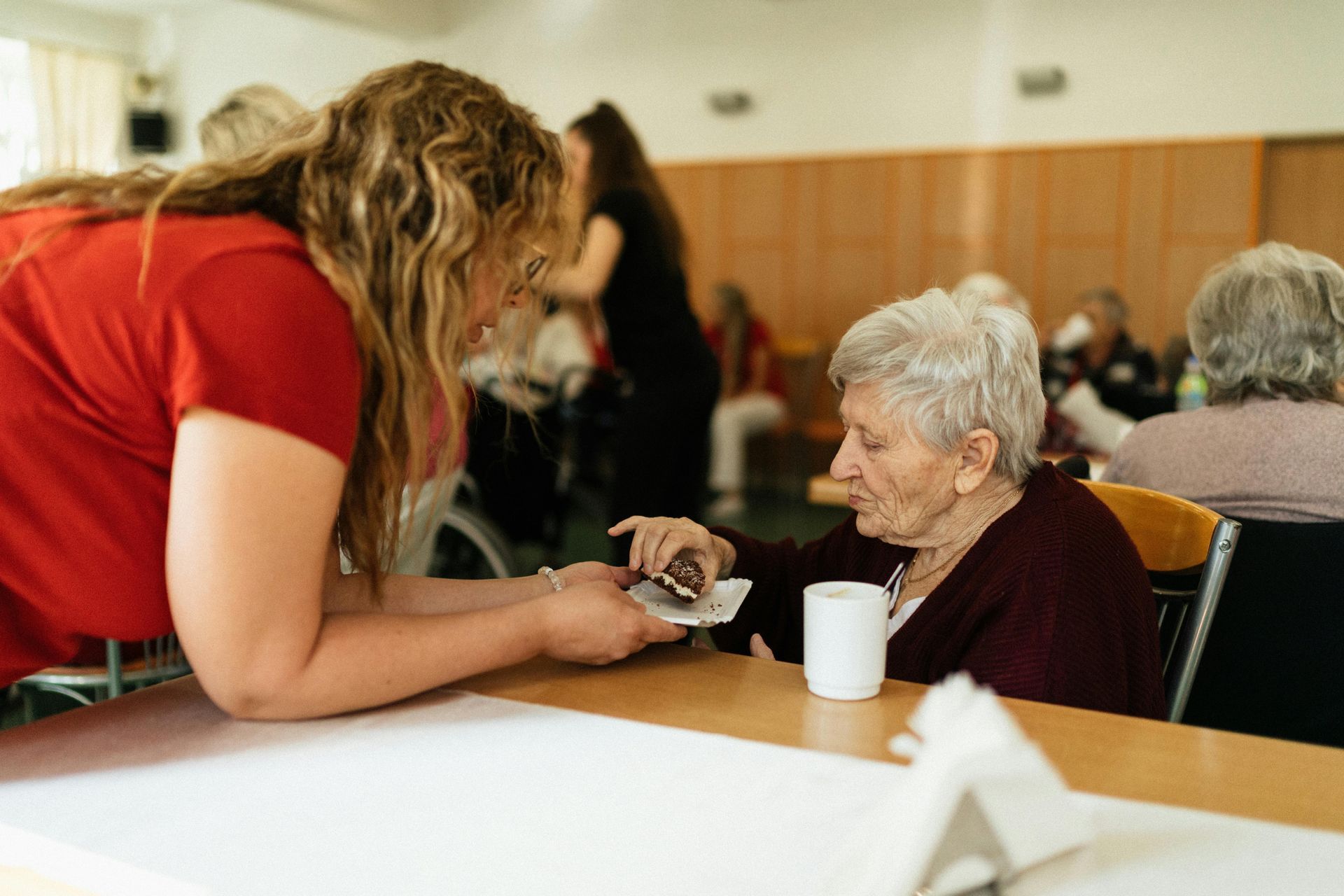
Placing a loved one in a nursing home is never an easy decision. You trust that they will be cared for, monitored, and supported. But many families quietly ask themselves: “Is everything really okay when I’m not there?” Signs Everything May NOT Be Okay Sudden changes in mood or behavior Unexplained weight loss or dehydration Poor hygiene or changes in appearance Lack of communication from staff Frequent staff turnover What Families Often Don’t Realize Even in good facilities, things can be missed. Staff are often overextended. Communication gaps happen. And without consistent oversight, small issues can become bigger problems. How Advocacy Changes This Having a healthcare advocate means: Someone is consistently checking in Care is being monitored Concerns are addressed early Communication is clear and documented Peace of Mind Matters You deserve to know your loved one is truly being cared for—not just assume it.

Why Maternal Advocacy Matters

Adult Children of Aging Parents...This is for You
Overview of Healthcare Advocacy in Orlando, Florida